Modoc War: Captain Jack's Stronghold, a Game of the 1873 Siege
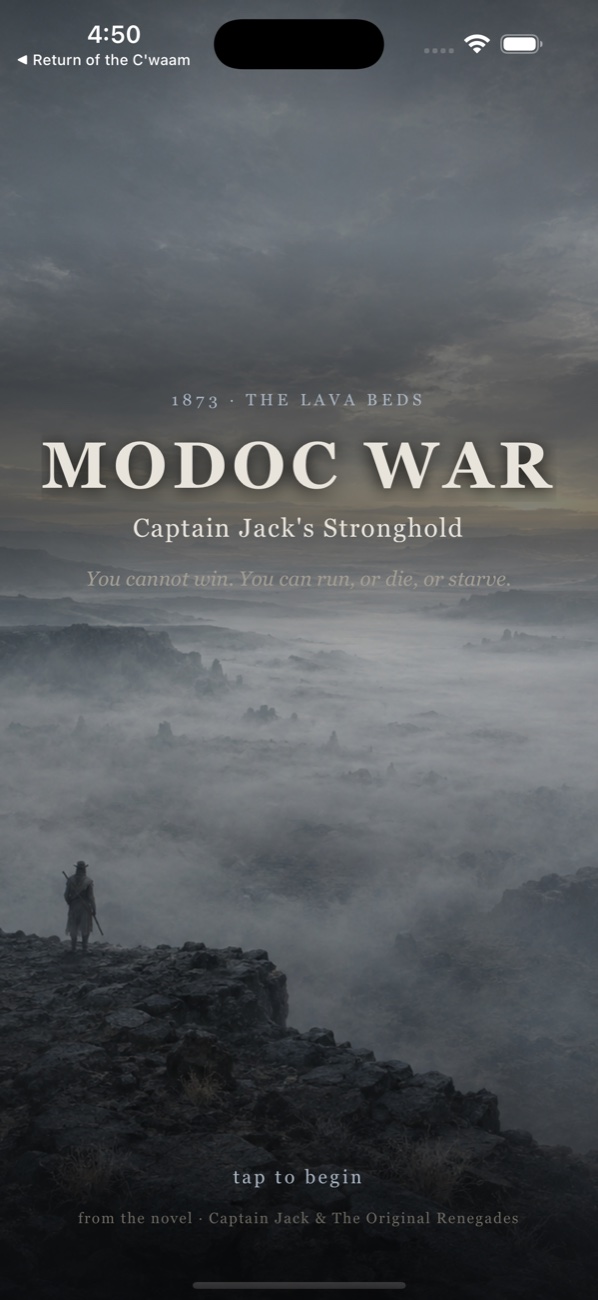
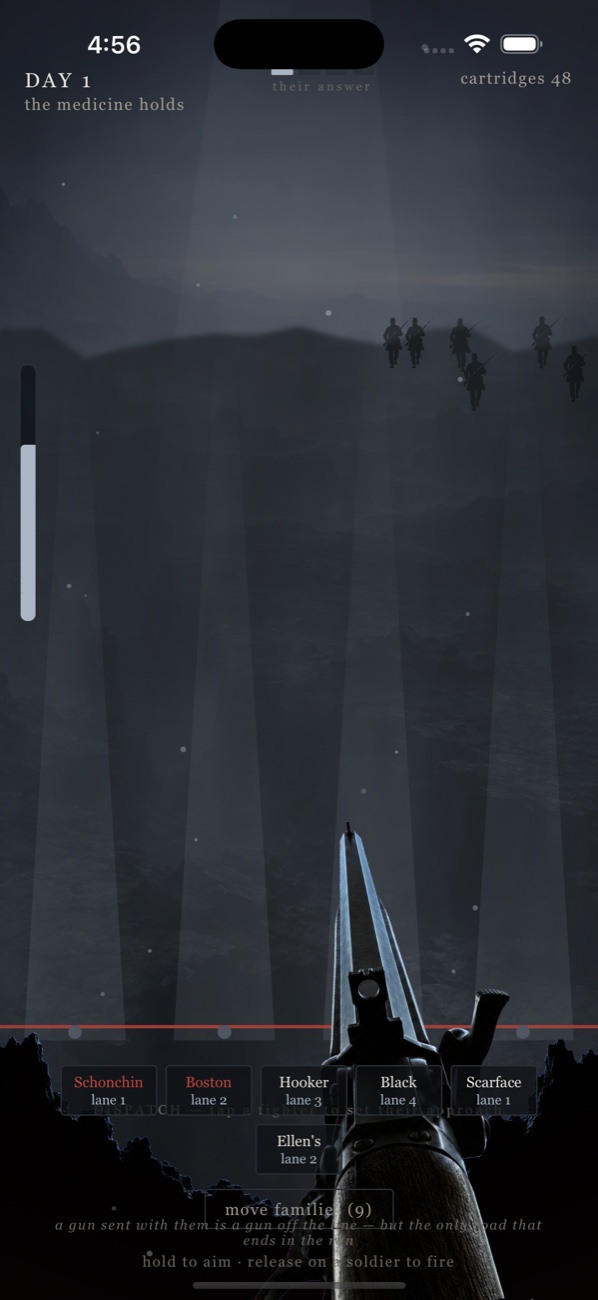
Modoc War: Captain Jack's Stronghold is an iOS game in development and a companion to H.L. Delaney's novel Captain Jack and the Original Renegades. It is set in the winter that opened late in 1872 and the months that followed, when a small band of Modoc people held a natural lava-bed fortress in what is now far northern California against the United States Army. The Army committed hundreds of soldiers to the campaign. The game is built to sit inside the Modoc experience of those months, as close to it as the form allows.
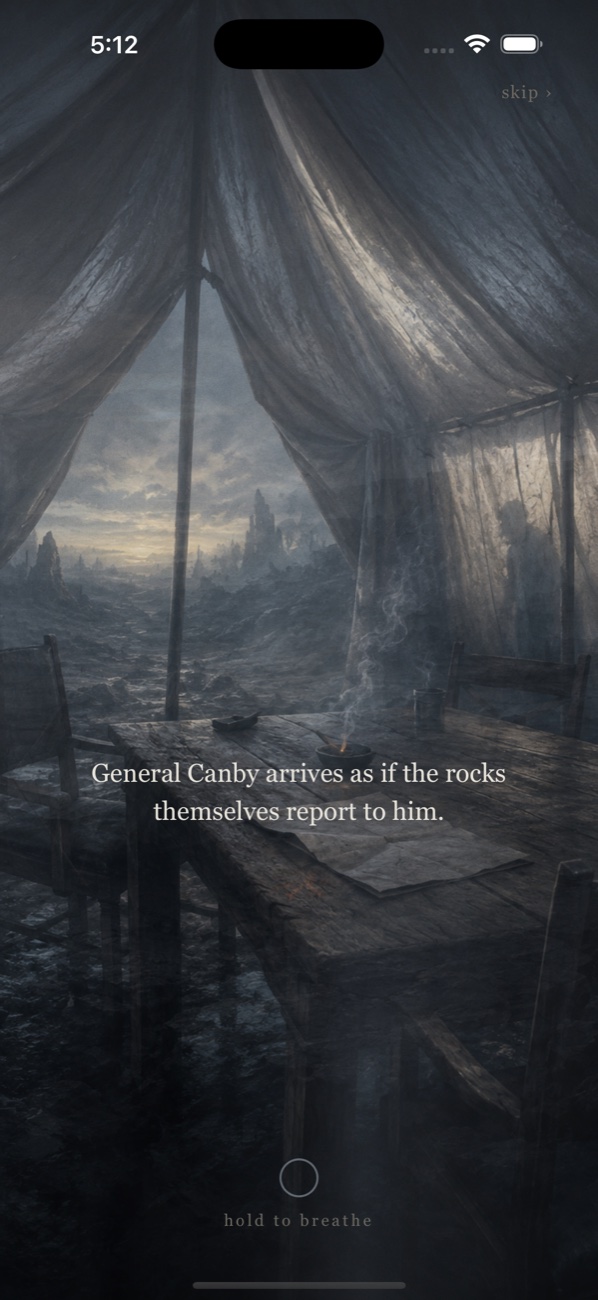
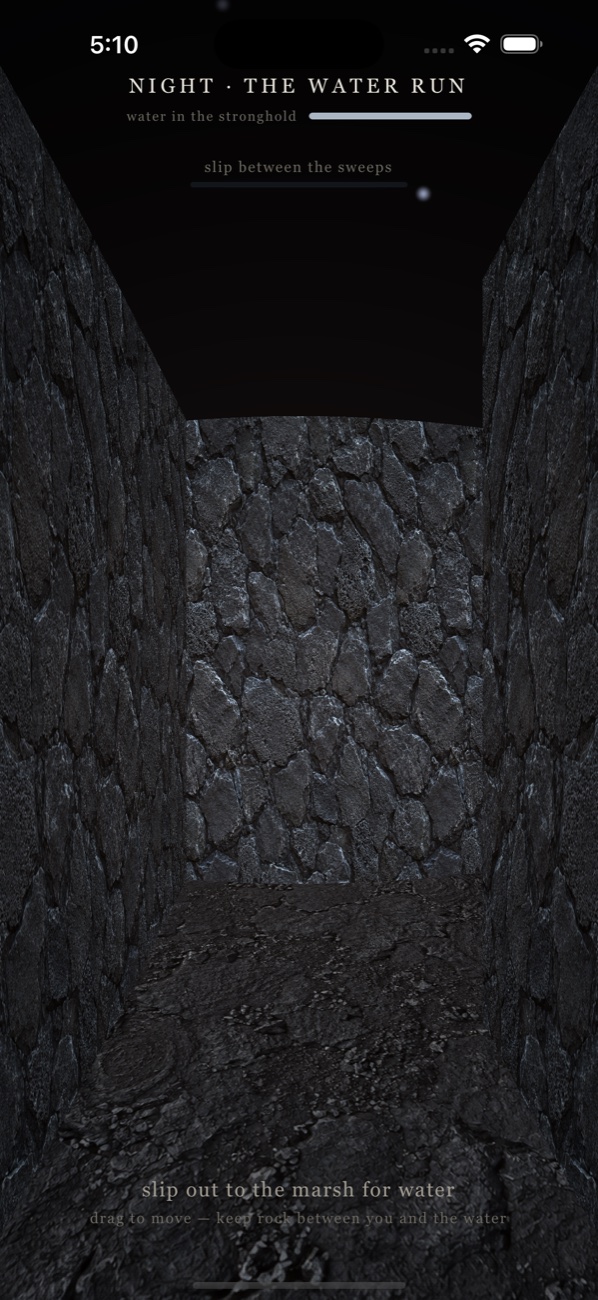
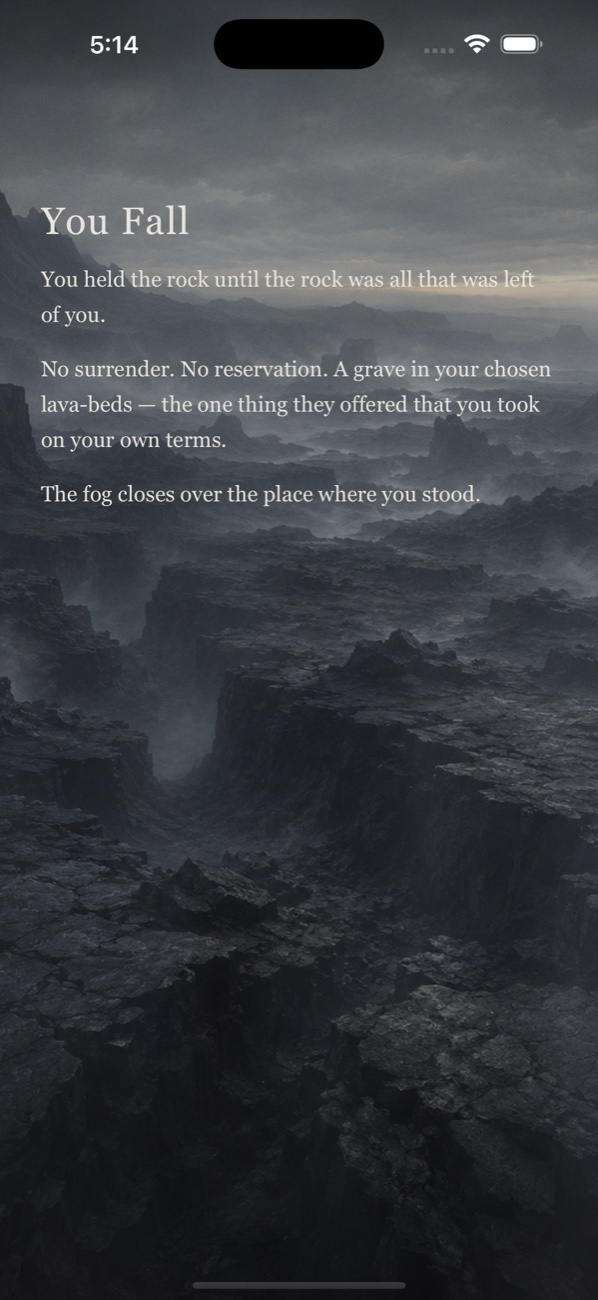
The look is cold and quiet and spare, which is the register the story asks for. The lava beds in winter are a stark and particular landscape, black rock under open sky, and the game holds that quality throughout. What exists now is a first look at the work in progress, a companion piece to H.L. Delaney's novel, and it is not currently available on the App Store.
The Design Thesis: Endurance and Memory as the Point
The central design decision is that the player cannot win in the conventional sense. The historical outcome is fixed, and what happened to Kintpuash, the leader the Army knew as Captain Jack, and to the Modoc with him in 1873 is a matter of record. The game does not pretend otherwise or build a path to a changed ending. It builds a question instead. What does it mean to endure, to hold ground against a force that outnumbers you, knowing how the siege ends? The answer the game works toward is that endurance and memory carry their own weight, and that being remembered is a real thing a person can hold onto.
The choice comes from the history itself. The Modoc held the Stronghold for months against a force many times their number. When they were finally driven out, the cause was a long siege and the fractures that opened inside the band under that pressure, more than any single assault. The siege had a shape, a logic, and a cost on every side, and the game works to let a player feel the weight of it from up close.
Captain Jack's Stronghold: The Lava Beds and the Ground the Modoc Held
The Stronghold is a real place, now part of Lava Beds National Monument in far northern California, near the Oregon line and within the traditional territory of the Modoc people. It is a formation of hardened lava, a maze of trenches, ridges, and caves that gave natural cover and a defensive line the Army struggled for months to breach. The Modoc knew that ground. They had lived in and around the lava beds their whole lives, and the terrain that confounded the soldiers was country the Modoc could cross in the dark.
That relationship to place is part of what the game carries. The lava beds are Modoc land, and the Modoc were there because they had been pushed there, because the Klamath Reservation had failed the people sent to it, and because Kintpuash had led his band back to the country they knew. The stakes are the stakes of belonging. Whose land this is, whose knowledge of it runs deepest, and what it means to make a stand on your own ground. In the game the landscape is one of the central facts of the story, with its own bearing on every choice the Modoc faced.
Why the Modoc War Is Usually Flattened
The Modoc War tends to appear in American history as a footnote, remembered mostly as the war in which General Edward Canby was killed, the only U.S. Army general to die in the course of the Indian Wars. That framing keeps the Army at the center and treats the Modoc as a curiosity, an unexpected military problem. It passes over what the war actually grew from: the removal of the Modoc from their homeland, a treaty that placed them on the Klamath Reservation, and the failure of that reservation as a place they could live. Kintpuash and the people with him in the Stronghold were trying to stay on land that had always been theirs.
A game can do something with this history that a single textbook sentence cannot. When a player holds the Modoc position from the inside, the logic of events changes. A player stands close to where Kintpuash's decisions were made, under the pressure that shaped them, near enough to feel why each choice was hard and what it cost.
What the Modoc War Game Teaches, and How It Teaches It
The educational model is specificity. The game teaches one siege, one place, one band of people, one winter, in close detail. That kind of specificity is how history stays real and keeps from collapsing into abstraction. A player meets the lava beds as terrain, the same hardened rock the Modoc moved through and the same geography that made the Stronghold defensible against a much larger force. A player meets the chronology of the siege as duration, as waiting, as pressure that gathers over weeks and then months.
One example anchors the approach. In January 1873 the Army's first major assault on the Stronghold failed, with heavy casualties on the U.S. side, while the Modoc held their ground without losing a single fighter. That is in the historical record. In the game a player holds the Modoc position through that assault, so the event reads from the direction the Modoc lived it, which is close to the reverse of how it appears in almost every account a player is likely to have read. That reversal follows directly from telling the story from the inside, and the game lets a player feel why the Modoc had reason, in that moment, to believe they could hold.
The game also carries the shape of the peace negotiations that ran alongside the siege, including the killing of members of the peace commission in April 1873. That event sits at the center of how the Modoc War ended and how Kintpuash came to be tried and hanged. A player who has spent time inside the Modoc position in the Stronghold comes to it holding a different set of questions than a student reading a textbook summary, questions about pressure, broken promises, and what was left to a people who had run out of good choices.
What the Work Is Meant to Do, and Who It Is For
The intent is to carry a history that usually gets passed over into a form people will actually pick up. Books matter, and H.L. Delaney's novel is the main literary form for this story. Games reach people who do not start with books. A game that a young Klamath or Modoc person plays on a phone, that puts them inside the Stronghold alongside Kintpuash, works on a person in a way a museum case or a single class period often does not. It asks them to inhabit, for a while, the situation their ancestors were in, and to carry something of it forward.
For the Klamath Tribes community and for Modoc descendants who hold this history as something personal, the work is meant to reflect their people with care and weight. The aim is a game that takes the 1873 siege seriously on its own terms, told from inside the Modoc experience, and that leaves a player with a real sense of who the Modoc were, what they were doing in those lava beds, and why it matters that the memory is kept.
H.L. Delaney is an enrolled member of the Klamath Tribes with Modoc ancestry, and the novel and the game together are part of a longer project, a body of work about Klamath and Modoc history that the community can point to, that young people can find on their own, and that does not ask anyone to settle for the version of events handed down from outside. The generation coming up deserves to meet Captain Jack's Stronghold as something real, full, and theirs.